Blog
Items filtered by date: January 2026
Relief for Knee Pain

Knee pain can result from injury, arthritis, or strain from overuse. It may limit mobility, making walking, climbing stairs, or exercising uncomfortable. Non-invasive and drug-free care can help reduce pain and improve function.
Contact us today for effective knee pain treatment.
Carpal Tunnel Syndrome and Chiropractic Support
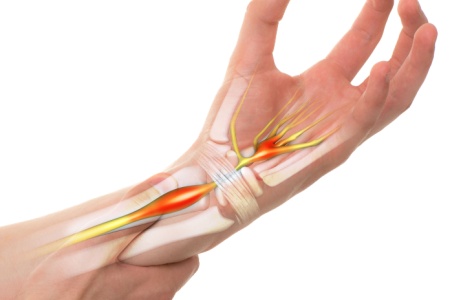
Carpal tunnel syndrome is caused by compression of the median nerve as it passes through the wrist, leading to pain, numbness, tingling, and weakness in the hand and fingers. Risk factors include repetitive hand movements, prolonged computer work, assembly line operations, poor posture, and sustained gripping or typing that strains the wrist and forearm. Over time, these activities can increase pressure within the carpal tunnel and irritate surrounding tissues. A chiropractor can help by evaluating the alignment of the wrist, elbow, shoulder, and spine to reduce nerve stress and improve overall biomechanics. If hand or wrist symptoms are interfering with work or daily life, it is suggested that you consult a chiropractor who can provide natural relief and treatment solutions.
Carpal Tunnel Syndrome
Carpal tunnel syndrome, or CTS, is a condition caused by compression of the median nerve, which runs through the carpal tunnel in the wrist. This tunnel is a narrow passageway surrounded by bones and ligaments, and when it becomes compressed or inflamed, it can put pressure on the nerve. Symptoms of CTS include tingling, numbness, weakness, and pain in the hand and fingers, often making simple tasks difficult and uncomfortable.
Chiropractic care offers a non-invasive approach to managing CTS by addressing alignment and reducing nerve pressure. Chiropractors start by evaluating the wrist, elbow, and even the cervical spine or neck, as misalignments in these areas can contribute to nerve compression in the wrist. Through gentle adjustments, chiropractors can improve the alignment of the wrist and spine, helping to reduce the pressure on the median nerve.
In addition to adjustments, chiropractors may use soft tissue therapy, such as stretching and myofascial release, to reduce inflammation surrounding the wrist and enhance mobility.
Why Consider Chiropractic for CTS?
Chiropractic care can provide lasting relief by targeting the root causes of CTS, reducing pain, and promoting long-term hand and wrist health.
Can Chiropractic Care Address Repetitive Strain as a Cause of CTS?
Chiropractic care can help manage repetitive strain by improving joint alignment and recommending ergonomic adjustments.
If you have any questions, please feel free to contact our office located in Hammonton, NJ .
Facts About Middle Right Back Pain

Middle right back pain is a common issue that can interrupt daily comfort and movement. It may develop from muscle sprains caused by overuse or sudden twisting, or from herniated disks that place pressure on surrounding nerves. Poor posture while sitting, standing, or working can strain the muscles along the spine and contribute to persistent discomfort. In some cases, the pain may come from kidney problems, which can create sharp or aching sensations in the middle right back area. A chiropractor can evaluate the source of your pain, improve spinal alignment, reduce muscle tension, and guide you with exercises that support healing and long term strength. If you have middle back pain, it is suggested that you consult a chiropractor who can offer effective and natural relief solutions.
Mid back pain, centered in the thoracic region, refers to discomfort or stiffness in the upper and middle back, which connects to the ribcage. This area is essential for stability and movement, but poor posture, repetitive strain, or injuries can cause irritation and tension. Pain may range from a dull ache to sharp, localized discomfort that worsens with certain movements or prolonged sitting.
Chiropractors take a thorough approach to managing mid back pain, identifying misalignments or tension in the thoracic spine that may contribute to discomfort. Spinal adjustments, tailored to improve alignment and relieve pressure, form the core of treatment. Supporting therapies like guided exercises, posture correction techniques, and ergonomic recommendations are also employed to enhance recovery and prevent future issues. Chiropractic care helps restore balance and function, allowing patients to move freely and live without pain.
1. Can carrying a heavy bag or backpack cause mid back pain?
Yes, uneven weight distribution from a heavy bag can strain the thoracic spine and surrounding muscles, leading to pain. Chiropractors can help correct alignment and recommend strategies to reduce strain.
2. How can chiropractic care help desk workers with mid back pain?
Chiropractors address postural imbalances and spinal restrictions caused by prolonged sitting, using adjustments and ergonomic advice to relieve pain and prevent recurrence.
For additional information, please contact our office located in Hammonton, NJ .
Cervical Degenerative Disease and Finding Relief

Cervical degenerative disease is a condition in which the discs and joints of the neck gradually break down, leading to stiffness, reduced movement, and chronic discomfort. It most commonly affects aging individuals as natural wear and tear weakens the structures that support the spine. Causes may include repetitive strain, poor posture, previous injuries, or genetic factors that influence how quickly degeneration occurs. A chiropractor can help by improving spinal alignment, reducing pressure on surrounding nerves, and guiding gentle exercises that support mobility and strength. These methods can ease pain and enhance overall function. If you are experiencing neck stiffness or reduced comfort, it is suggested that you consult a chiropractor who can offer natural treatment solutions.
Degenerative Disc Disease
Degenerative disc disease, or DDD, is a condition characterized by the gradual wear and tear of the spinal discs, which act as cushions between vertebrae. As these discs deteriorate, they lose height, elasticity, and hydration, resulting in reduced shock absorption and increased friction between bones. This degeneration can lead to chronic pain, stiffness, and decreased mobility, often radiating to other areas of the body due to nerve irritation.
Management of Degenerative Disc Disease
Chiropractors manage degenerative disc disease by reducing stress on the spine and enhancing mobility to alleviate discomfort. They use targeted spinal adjustments to help improve alignment, which minimizes nerve compression and promotes better disc health. By restoring spinal balance, chiropractic care can help reduce pain and prevent further degeneration.
Complementary treatments like stretching exercises, strengthening routines, and postural training often accompany chiropractic adjustments to provide a comprehensive approach to managing DDD. These additional therapies aim to enhance flexibility, reinforce supporting muscles, and protect the spine from further strain.
Chiropractic care focuses on a non-invasive, holistic approach, offering relief without reliance on medication or surgery. By addressing the underlying mechanics of the spine, chiropractors work to help patients manage DDD symptoms effectively and enjoy improved quality of life over time.
1. How often should someone with degenerative disc disease see a chiropractor?
The frequency of visits varies based on individual needs, but patients often benefit from regular treatments initially, which can then be adjusted as symptoms improve or stabilize.
2. Will chiropractic care stop the progression of degenerative disc disease?
While chiropractic care cannot reverse the condition, it can help alleviate symptoms, reduce pain, and improve quality of life, making it easier to stay active, which may slow progression over time.
3. How does a chiropractor evaluate the progression of degenerative disc disease over time, and can they adjust their techniques as the condition evolves?
Chiropractors typically monitor changes in mobility, pain levels, and overall function, adjusting their treatment plans to accommodate increased sensitivity or stiffness as the disease progresses.
4. Does chiropractic care provide long-term relief for degenerative disc disease?
While chiropractic care may not cure degenerative disc disease, regular treatment can offer long-term relief by managing pain, reducing inflammation, and improving joint mobility, which can enhance quality of life over time.
If you have any questions please feel free to contact our office located in Hammonton, NJ .
Causes for Low Back Pain During Pregnancy

Low back pain during pregnancy is a common condition that develops as the body adapts to support a growing baby. Hormonal changes loosen ligaments, while weight gain and posture shifts place extra stress on the lower spine and pelvic joints. This added strain can cause stiffness, aching, or sharp pain in the lower back, especially when standing or walking. Chiropractic care can help by gently realigning the spine and pelvis to reduce tension and improve balance. Adjustments are safe and tailored to each stage of pregnancy, promoting comfort and better mobility. If pregnancy-related back pain is making daily activities difficult, it is suggested that you visit a chiropractor who can provide natural relief solutions to ease discomfort, support proper alignment, and encourage a healthier, more comfortable pregnancy experience.
Pregnancy is a transformative experience, but the physical changes can bring challenges like low back pain, leg pain, and sciatica. These discomforts often result from the extra weight and shifts in the body’s center of gravity, placing stress on the spine and pelvis.
Chiropractic care provides a gentle, non-invasive approach to managing these symptoms. Specialized techniques for pregnant individuals help realign the spine and reduce pressure on the nerves, addressing sciatica and related leg pain. Adjustments also promote proper pelvic alignment, potentially easing tension and enhancing mobility.
Beyond pain relief, chiropractic care supports overall wellness, improving posture and helping the body prepare for childbirth. Many find that regular visits reduce discomfort and improve quality of life throughout pregnancy.
1. Is it safe to see a chiropractor in the first trimester?
Absolutely. Prenatally-trained chiropractors use gentle, specific techniques suitable for every stage of pregnancy, including the first trimester.
2. Can chiropractic adjustments reduce swelling in my feet and ankles?
While chiropractic care does not directly treat swelling, improving circulation through spinal alignment can support your body’s natural fluid drainage, potentially easing swelling.
For additional information, please contact our office located in Hammonton, NJ .
