Connection Between Rheumatoid Arthritis and Joint Stiffness

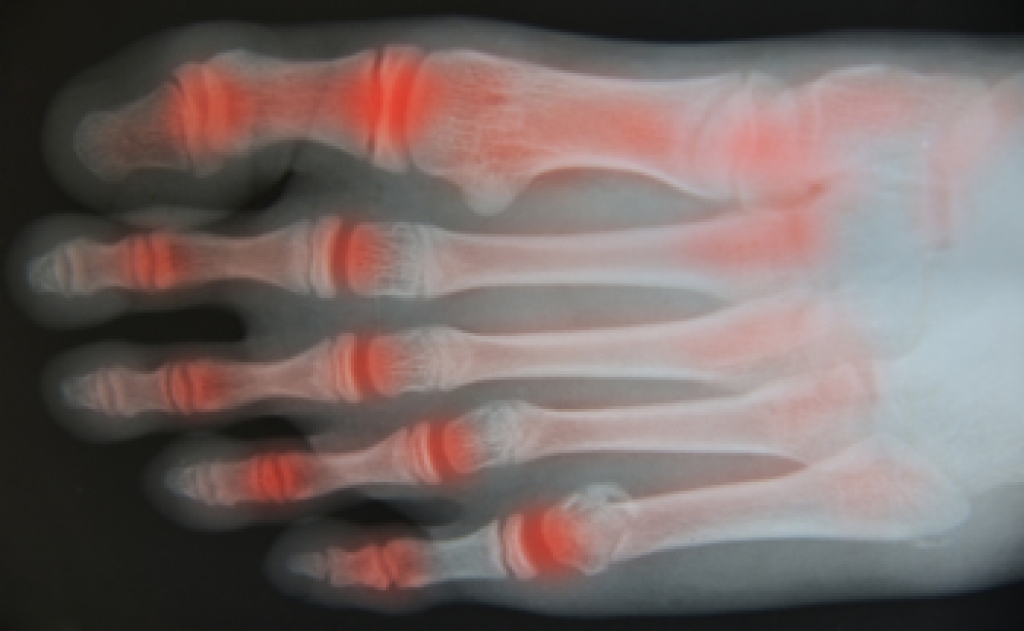
Rheumatoid arthritis is a chronic condition that is closely linked to joint stiffness and inflammation, often affecting daily comfort and mobility. It is an autoimmune disorder in which the immune system mistakenly attacks healthy joint tissues, leading to swelling, pain, and reduced range of motion. Hormonal influences may also play a role in how the condition develops and progresses. Common symptoms include persistent stiffness, especially in the morning, along with tenderness and fatigue. Without proper care, inflammation can lead to long-term joint damage. A chiropractor can help by improving joint alignment, reducing tension, and supporting overall function. If you have any form of arthritis, it is suggested that you consult a chiropractor to explore appropriate relief and management solutions.

Arthritis Relief

Arthritis, a common condition affecting millions, causes inflammation, stiffness, and pain in the joints. It can make everyday activities challenging and significantly impact quality of life. While there is no cure for arthritis, chiropractic care offers a natural, non-invasive way to manage symptoms and improve joint function.

Chiropractors focus on enhancing joint mobility and reducing inflammation through gentle, targeted adjustments. By realigning the body and restoring proper movement, chiropractic care can help relieve the pressure on arthritic joints, alleviating pain and stiffness. Adjustments also support better circulation, which may help reduce inflammation around affected joints.

In addition to adjustments, chiropractors often recommend specific exercises and stretches to strengthen muscles surrounding the joints, improving stability and reducing stress on the joints over time. They may also advise on lifestyle adjustments, such as dietary changes or ergonomic modifications, to support overall joint health.

Why Consider Chiropractic for Arthritis?

Chiropractic care provides a holistic approach to managing arthritis, addressing not just the symptoms but also underlying issues that contribute to discomfort. With regular care, many arthritis patients experience improved mobility, reduced pain, and a higher quality of life. Chiropractic care can be an effective complement to other arthritis treatments, supporting a more active, comfortable lifestyle.

What Types of Arthritis Can Benefit from Chiropractic Care?

Chiropractic care can benefit both osteoarthritis and rheumatoid arthritis by focusing on reducing joint strain and promoting better movement.

If you have any questions, please feel free to contact our office located in Hammonton, NJ

Read more about Arthritis

Definition and Causes of Golfer's Elbow

Golfer’s elbow is a condition that affects the inside of the elbow, causing pain when gripping, lifting, or bending the wrist forward. Stiffness may occur when bending or straightening the elbow joint, and mild swelling can sometimes be present. The condition is often caused by repetitive motions that strain the tendons and muscles of the forearm, commonly seen in sports, manual labor, or prolonged computer use. Risk factors include overuse, poor technique, inadequate conditioning, and age-related tendon degeneration. A chiropractor can evaluate the elbow, provide adjustments, recommend targeted exercises, and suggest strategies to reduce strain and promote healing. If you have persistent inner elbow pain, it is suggested that you consult a chiropractor who can offer appropriate relief and treatment solutions.

Tennis and Golfer's Elbow

Tennis and golfer's elbow, or medial epicondylitis, is a condition caused by inflammation or irritation of the tendons on the inner side of the elbow. Despite its name, this condition is not limited to golfers and tennis players. It can affect anyone engaging in repetitive wrist or forearm motions, such as throwing, lifting, or typing. Symptoms include pain, tenderness, and stiffness on the inner elbow, sometimes extending into the forearm. Weak grip strength and difficulty with everyday tasks are common complaints.

Chiropractic care can play a role in managing golfer's elbow by addressing muscle tension and improving joint function. Gentle adjustments may reduce strain on the affected area, while soft tissue therapies and stretching techniques can help alleviate discomfort and promote healing. Chiropractors may also provide advice on modifying activities to reduce stress on the tendons, offering a holistic approach to recovery and prevention.

1. Can tennis or golfer’s elbow occur without playing sports?

Yes, these conditions are often caused by repetitive motions like typing, lifting, or using tools. Chiropractors can assess and treat the root causes of these repetitive strain injuries.

2. Should I avoid chiropractic care during the acute phase of tennis or golfer's elbow?
Gentle adjustments and soft tissue techniques can still be beneficial, reducing inflammation and improving mobility without aggravating the injury.

For additional information, please contact our office located in Hammonton, NJ
 

Read more about Tennis and Golfer’s Elbow

Treatment After a Car Accident Injury

A car accident can cause many injuries, even at low speeds. When a vehicle stops fast, the body keeps moving. This can strain muscles, ligaments, and joints. Common car accident injuries include whiplash, back pain, neck pain, shoulder pain, and headaches. Some people feel stiffness, swelling, numbness, or tingling in the arms or legs. Pain may start right away or days later. The spine can shift out of proper position, putting pressure on nerves and soft tissue. A chiropractor looks at how the spine and joints move and checks for areas that are not working well. Gentle adjustments and focused treatment can help restore motion, lower swelling, and ease nerve pressure. As the body begins to move better, pain often decreases and the healing process begins. If you are experiencing pain or stiffness after a crash, it is suggested that you schedule an appointment with a chiropractor to begin care and support recovery.

Auto accidents can disrupt your life in an instant, often leaving behind injuries that require careful attention. From neck pain due to whiplash to fractures and joint strain, the physical toll of a collision can range from mild discomfort to severe limitations. Even seemingly minor accidents can lead to soft tissue injuries or concussions, with symptoms like headaches, stiffness, swelling, or reduced mobility appearing days after the event.

Addressing these injuries promptly is key to preventing long-term complications. Chiropractic care offers a non-invasive path to recovery, focusing on realigning the body, reducing inflammation, and easing pain. By targeting the root cause of discomfort, chiropractors can help restore range of motion and improve overall well-being. Whether you’re dealing with lingering aches or recovering from more serious injuries, personalized chiropractic treatment plans can support your journey to recovery. Take the first step toward healing and schedule a consultation today.

1.  Can I see a chiropractor if I’ve already seen a doctor?

Yes, chiropractic care complements traditional medical treatments. It focuses on holistic recovery and relieving musculoskeletal issues.

2.  What should I expect during my first chiropractic visit after an accident?

Your chiropractor will perform a thorough assessment, discuss your symptoms, and create a personalized treatment plan.

If you have any questions please feel free to contact our office located in Hammonton, NJ
 

Read more about Auto Accidents and Injuries

Effective Foot Pain Relief

Foot pain may stem from poor footwear, overuse, or other underlying conditions. Non-invasive and drug-free care can restore comfort and mobility.

Contact us today for effective foot pain treatment.

Degenerative Disc Disease and Natural Treatment

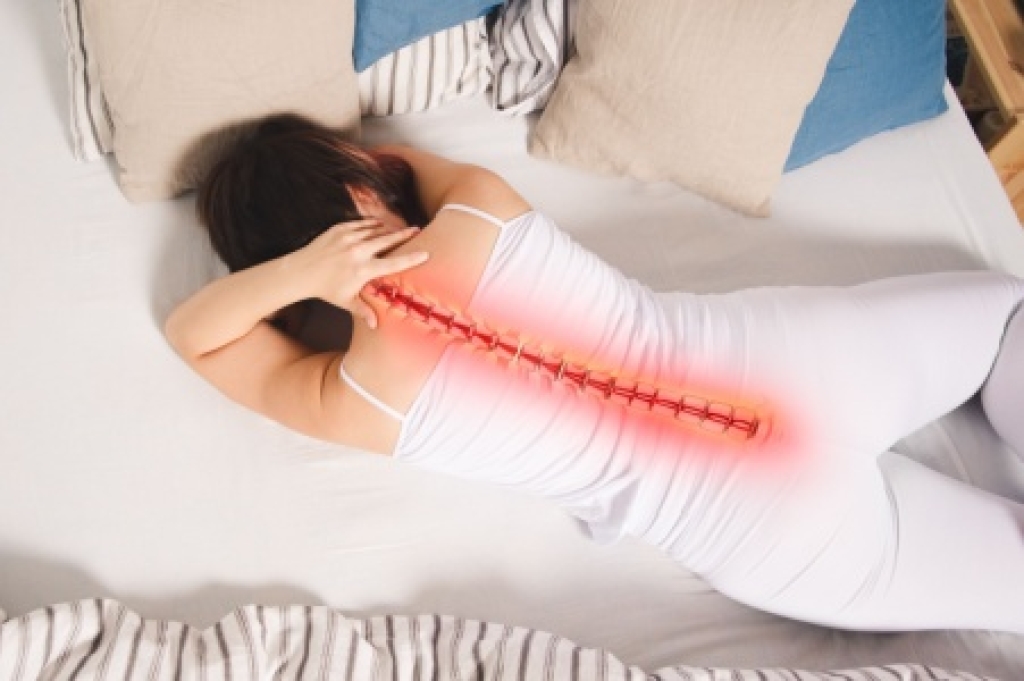
Degenerative disc disease happens when the discs between the vertebrae in the spine begin to wear down, which can lead to pain, stiffness, and reduced mobility. Causes include aging, repeated strain on the spine, poor posture, or injuries that affect how the discs handle pressure. Symptoms include aching or sharp pain in the back or neck, stiffness, numbness, or tingling in the arms or legs if nerves are affected, and pain that worsens with certain movements or prolonged sitting or standing. A chiropractor can help by assessing how the spine moves, identifying areas of stress, and providing treatment that helps improve alignment and reduce pressure on the discs. This type of care can relieve pain, improve flexibility, and support better overall spine function. If these symptoms are affecting your day-to-day life, it is suggested that you schedule an appointment with a chiropractor for an evaluation and appropriate care.

Degenerative Disc Disease

Degenerative disc disease, or DDD, is a condition characterized by the gradual wear and tear of the spinal discs, which act as cushions between vertebrae. As these discs deteriorate, they lose height, elasticity, and hydration, resulting in reduced shock absorption and increased friction between bones. This degeneration can lead to chronic pain, stiffness, and decreased mobility, often radiating to other areas of the body due to nerve irritation.

Management of Degenerative Disc Disease

Chiropractors manage degenerative disc disease by reducing stress on the spine and enhancing mobility to alleviate discomfort. They use targeted spinal adjustments to help improve alignment, which minimizes nerve compression and promotes better disc health. By restoring spinal balance, chiropractic care can help reduce pain and prevent further degeneration.

Complementary treatments like stretching exercises, strengthening routines, and postural training often accompany chiropractic adjustments to provide a comprehensive approach to managing DDD. These additional therapies aim to enhance flexibility, reinforce supporting muscles, and protect the spine from further strain.

Chiropractic care focuses on a non-invasive, holistic approach, offering relief without reliance on medication or surgery. By addressing the underlying mechanics of the spine, chiropractors work to help patients manage DDD symptoms effectively and enjoy improved quality of life over time.

1. How often should someone with degenerative disc disease see a chiropractor?

The frequency of visits varies based on individual needs, but patients often benefit from regular treatments initially, which can then be adjusted as symptoms improve or stabilize.

2. Will chiropractic care stop the progression of degenerative disc disease?

While chiropractic care cannot reverse the condition, it can help alleviate symptoms, reduce pain, and improve quality of life, making it easier to stay active, which may slow progression over time.

3. How does a chiropractor evaluate the progression of degenerative disc disease over time, and can they adjust their techniques as the condition evolves?

Chiropractors typically monitor changes in mobility, pain levels, and overall function, adjusting their treatment plans to accommodate increased sensitivity or stiffness as the disease progresses.

4. Does chiropractic care provide long-term relief for degenerative disc disease?


While chiropractic care may not cure degenerative disc disease, regular treatment can offer long-term relief by managing pain, reducing inflammation, and improving joint mobility, which can enhance quality of life over time.

If you have any questions please feel free to contact our office located in Hammonton, NJ

Read more about Degenerative Disc Disease
Advanced Podiatric Procedures & Services in the Atlantic County, NJ: Hammonton, Mays Landing, Egg Harbor City, Pleasantville, Somers Point, Brigantine, Burlington County, NJ: Mount Laurel, Medford, Moorestown, Lumberton, Pemberton, Westampton, Camden County, NJ: Cherry Hill, Voorhees, Berlin, Haddonfield, Cumberland County, NJ: Vineland, Millville, Bridgeton, Gloucester County, NJ: Glassboro, Washington Township, Mantua areas